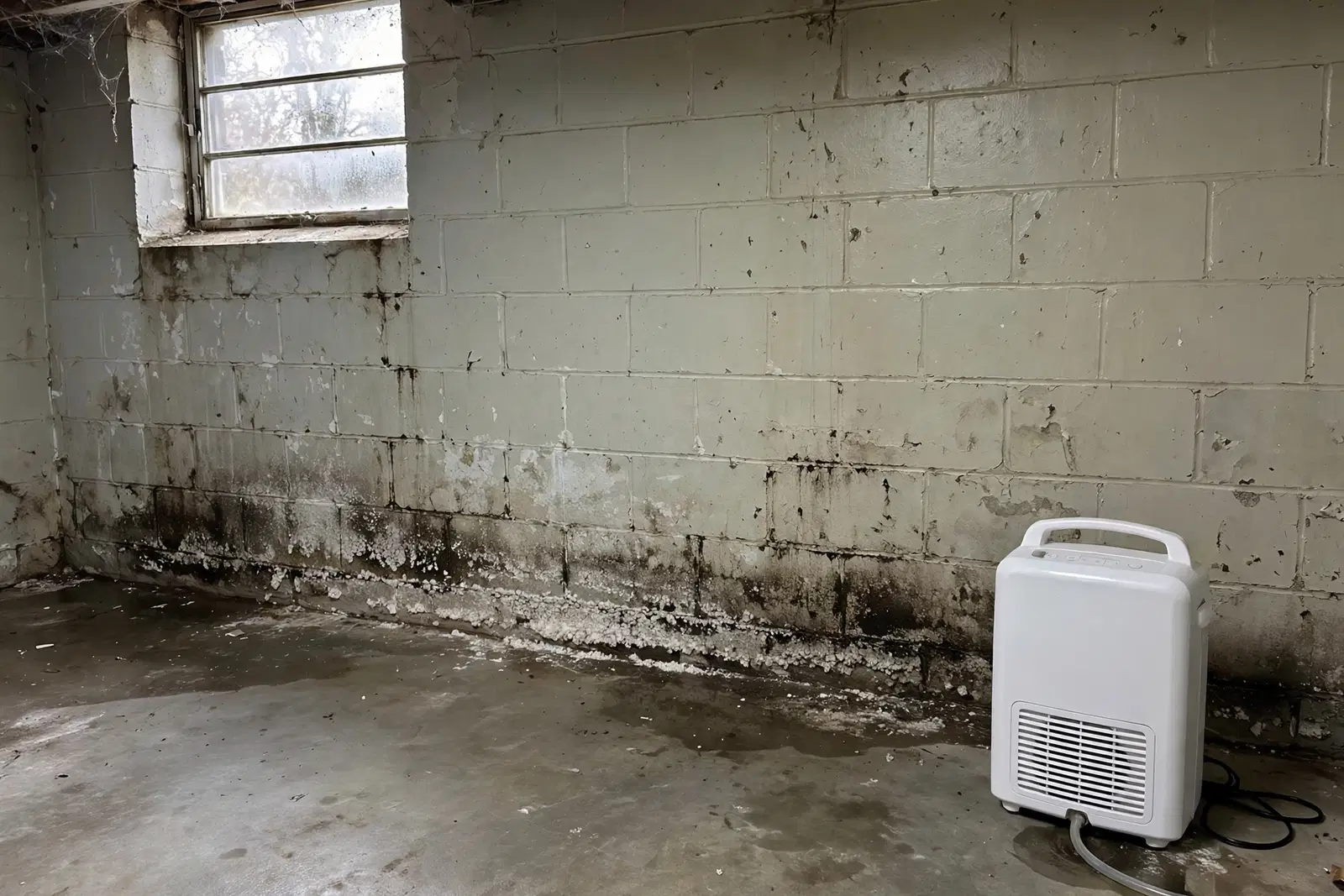
BASEMENT SEEPAGE WATER DAMAGE • ELYRIA, OHIO
Basement Seepage Water Damage Cleanup in Elyria, OH
Seepage does not flood a basement overnight. It soaks carpet edges, stains walls and keeps the space damp week after week. Our basement seepage water damage crew in Elyria, OH removes water and wet materials, dries walls and floors and helps you find where the water is coming in, so mold does not take hold.
Why Do Elyria Basement Walls Seep Water During Spring Thaw?
Melting snow and spring rain saturate the soil around the foundation, building water pressure that pushes moisture through cracks, block walls and the joint where wall meets floor.
Much of Elyria sits on clay-heavy soil that drains slowly. When the ground thaws and rain keeps coming, water collects against foundation walls. This pressure is called hydrostatic pressure. Block foundations, common in older homes, are hollow and let water in through mortar joints. Water seeping through basement walls in Elyria often shows up after snowmelt in March and April.
Seepage vs Flooding
- Flooding: standing water, fast, usually from a sump failure, drain backup or burst pipe.
- Seepage: slow moisture through walls and floors, damp carpet edges, puddles near walls after rain.
Seepage can still cause the same mold and odor problems, just more slowly. If you have standing water, see flooded basement cleanup.
Signs of Basement Seepage
- White, chalky deposits on walls (efflorescence)
- Damp or dark stripes along the cove joint where wall meets floor
- Wet basement carpet after rain, near outside walls
- Peeling paint or bubbling on block walls
- A musty smell that gets worse in spring and summer
- Water around the base of window wells
Drying and Mold Prevention
Step 1. Remove wet carpet, pad and any finished wall materials along the wet area.
Step 2. Clean walls and floors and treat with antimicrobial products.
Step 3. Dry the space with dehumidifiers and air movers until readings are normal.
Step 4. Identify likely entry points for the waterproofing contractor.
If there is a musty smell or visible growth, see mold inspection.
Fixing the Cause
- Extend downspouts away from the foundation
- Regrade soil to slope away from the house
- Clean gutters before spring thaw
- Seal cracks and window wells
- Add interior drainage and a sump pump where needed
A waterproofing contractor handles foundation repairs. We handle the water damage.
Cost
- Drying with carpet pad removal: about $600 to $1,800
- Drying with partial wall tear-out: about $1,500 to $4,000
Basement Leaking After Snow Melt Elyria: The Thaw Cycle
When snow melts in late winter, the top layer of soil thaws first while deeper ground stays frozen. Meltwater cannot soak down, so it runs sideways toward the foundation. Add spring rain and clogged gutters, and water pools against basement walls for days. This is why many Elyria basements are dry all year but wet in March and April.
Cove Joint Leaks
The cove joint is the seam where the basement wall meets the floor. Concrete for the floor is usually poured separately from the walls, leaving a small gap. When groundwater rises, water pushes up through this joint, leaving a wet stripe along the base of the wall. It is the most common seepage point in Elyria basements.
Block Wall Seepage
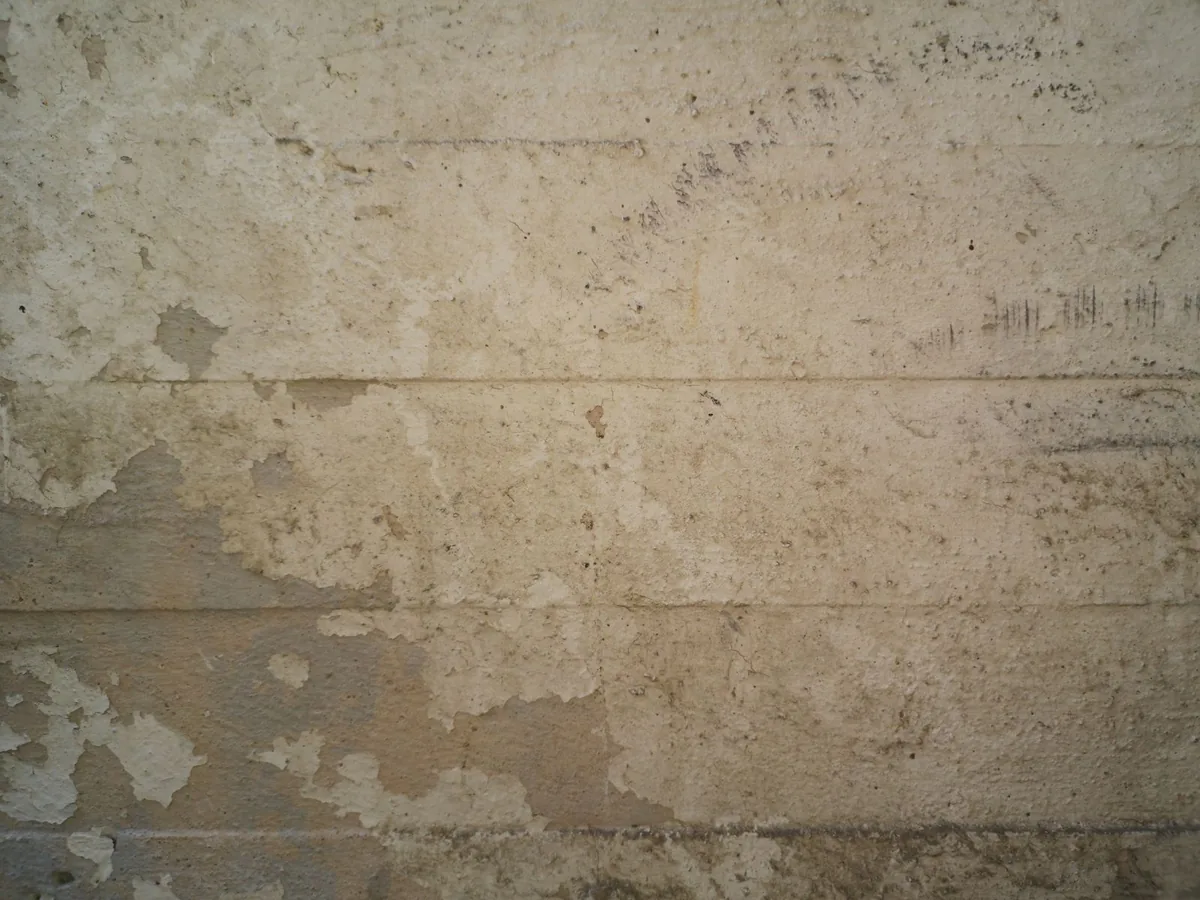
Block walls are hollow inside. Water can fill the cores and seep out through mortar joints, often lower on the wall. Efflorescence, the white chalky residue, is the mineral left when that water evaporates. Interior drainage systems or exterior waterproofing are long-term fixes; drying and mold prevention are the short-term steps we handle.
Wet Basement Carpet After Rain
Carpet laid along exterior walls is often the first sign of seepage. The pad wicks water from the wall and floor. Even small amounts of seepage keep the pad damp and grow odor and mold. Pad and carpet along the wet wall are usually removed, and the area is dried and treated. See carpet water damage.
Window Well Leaks
Window wells without covers fill with rain and snow. If the drain at the bottom is clogged or missing, water rises until it leaks through the window frame or the wall below. Clearing debris, adding a cover and making sure the well drains properly stop most of these leaks.
Hydrostatic Pressure Basement Elyria, Ohio: When To Call a Waterproofer
- Water returns every spring or after every heavy rain
- Cracks are widening or walls are bowing
- Water comes up through the middle of the floor
- Seepage keeps coming after gutters and grading are fixed
These call for a waterproofing contractor. We handle the cleanup and drying each time, and can help document recurring damage.
Water Seeping Through Basement Wall Elyria: How We Track It
Moisture meters on walls and floors show where seepage enters and how far it spreads. Thermal imaging highlights cold, wet stripes along the cove joint or around cracks. We map these areas, photograph them and share the findings, which is useful for the waterproofing contractor and for keeping records if the problem returns.
Efflorescence vs Mold
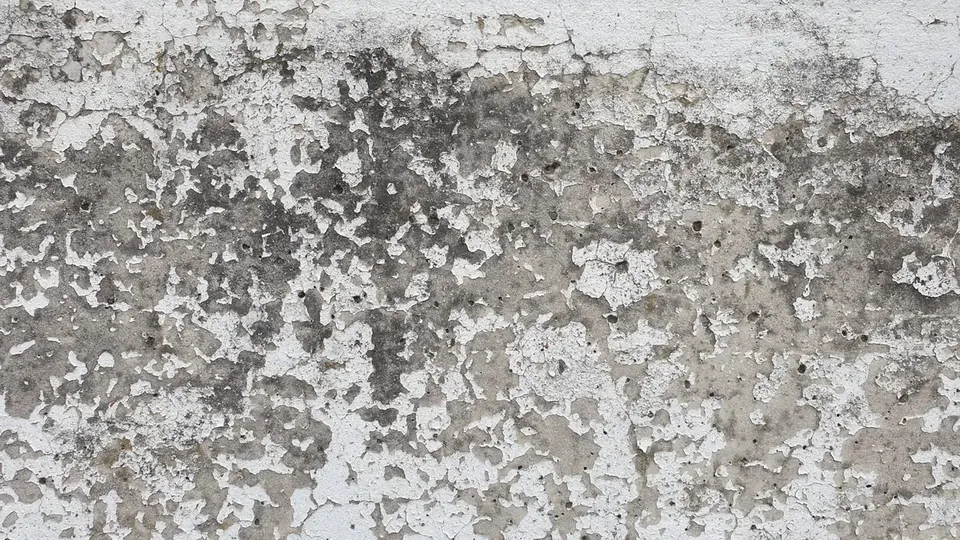
White deposits on basement walls are often mistaken for mold. Efflorescence is mineral salt left when water evaporates from concrete or block. It is powdery, dissolves in water and usually sits on bare masonry. Mold is often fuzzy, grows on organic materials like drywall and wood, and does not dissolve in water. Efflorescence is a sign of moisture moving through the wall, so it still needs attention.
Clay Soil and Drainage in Elyria
Clay soil holds water and drains slowly. When it gets saturated, water pressure builds against foundation walls. Clay also expands when wet and shrinks when dry, which can open cracks over time. Good surface drainage, with downspouts extended and soil sloped away from the house, is the first line of defense in clay-heavy areas.
Finished Basements With Seepage
Seepage behind finished walls can go unnoticed for a long time. The first sign may be a musty smell, baseboard stains or damp carpet edges. Drywall and insulation along the wet wall are removed so the wall can dry and the source can be seen. Rebuilding with a gap at the bottom, rigid foam insulation and moisture-resistant materials reduces future damage. See finished basement water damage.
Basement Seepage Timeline
Day one: remove wet carpet, pad and wall materials, clean and treat. Days two to five: drying with daily readings. After drying: waterproofing work, then rebuild. Doing the waterproofing before rebuilding keeps new materials safe.
When Seepage Becomes Flooding
Light seepage can turn into standing water during heavy rain or rapid snowmelt. If water starts pooling across the floor, treat it as a flood and call for extraction right away. See flooded basement cleanup .
Downspouts: The Simplest Seepage Fix
One downspout dumps hundreds of gallons of water next to the foundation during a heavy rain. In many Elyria homes, short or disconnected downspouts are the main cause of seepage in one corner of the basement. Extending downspouts 6 to 10 feet away from the house, or connecting them to a proper drain line, often stops seepage in that spot. It is the first thing to check after any wet wall.
Dehumidifiers for Damp Basements
Even after seepage is fixed, basements in Northeast Ohio stay humid in summer. A dehumidifier set to keep humidity at or below 50 percent prevents musty odors and mold growth. Empty or drain it regularly, or connect it to a floor drain or condensate pump for continuous operation.
Seepage and Home Sales
Buyers and inspectors look for signs of past water in basements: stains, efflorescence and musty smells. Keeping records of drying, repairs and waterproofing work shows that problems were handled properly. Clear records can make a home sale go more smoothly.
Seepage After Heavy Rain vs Snowmelt
Rain seepage shows up during or right after storms. Snowmelt seepage builds over days as the ground thaws. Both point to drainage and grading issues around the house, and both are worth fixing before finishing a basement.
Basement Seepage FAQs
Why is my basement wet after the snow melts?
Meltwater saturates the soil and pushes moisture through foundation walls and the cove joint.
Is seepage an emergency?
Not usually, but it should be dried within a few days to prevent mold and damage to finishes.
Does insurance cover seepage?
Often not, because it is usually treated as gradual. Sudden events like a burst pipe are different.
Call for Basement Seepage Cleanup in Elyria
Call (440) 291-9431 for basement seepage water damage cleanup in Elyria, OH.