WATER DAMAGE GUIDE • ELYRIA, OHIO
Category 1, 2 & 3 Water Damage Explained
Not all water is equal. The IICRC S500 standard sorts water damage into three categories based on how contaminated the water is, and that category decides what can be saved and how cleanup is done.
What Is the Difference Between Category 1, 2 and 3 Water?
Category 1 is clean water, Category 2 is gray water with some contamination, and Category 3 is black water that can carry sewage, bacteria and harmful matter.
- Category 1 water damage (clean): burst supply line, water heater, melting ice or snow inside, rain through a window.
- Category 2 water damage (gray): washing machine or dishwasher discharge, toilet overflow with urine but no feces, sump pit water.
- Category 3 water damage (black): sewage, floor drain backups during storms, river or outside floodwater, toilet overflow with feces.
How Clean Water Turns Into Category 3
Categories change with time and temperature. Clean water that sits for 48 hours or more in a warm basement, or soaks through dirty materials, picks up bacteria. It can move from Category 1 to 2, then to 3. That is why the same burst pipe can be a simple drying job on day one and a tear-out job by day four.
Classes 1 to 4 (Drying)
Categories describe contamination. Classes describe how hard drying will be:
- Class 1: small area, little absorption
- Class 2: a full room, water up walls under about 24 inches
- Class 3: water from above, soaking ceilings, walls and floors
- Class 4: dense materials like hardwood, plaster and concrete
See structural drying.
What It Means for Cleanup
- Category 1: most materials can be dried in place if work starts fast
- Category 2: more cleaning, some materials removed, antimicrobial treatment
- Category 3: porous materials removed, all surfaces disinfected, protective gear required
If you have black water versus gray water, the safest move is to stay out and call for help. See sewage backup cleanup and water mitigation.
Category 2 Water Damage Examples in Elyria Homes
- Washing machine overflow or discharge hose leak
- Dishwasher discharge
- Toilet overflow with urine but no feces
- Aquarium or waterbed leak
- Sump pump pit overflow
- Clean water that has sat for a day or two on dirty surfaces
Category 2 water can make people sick and needs cleaning, not just drying.
Category 3 Water Damage in Northeast Ohio Basements
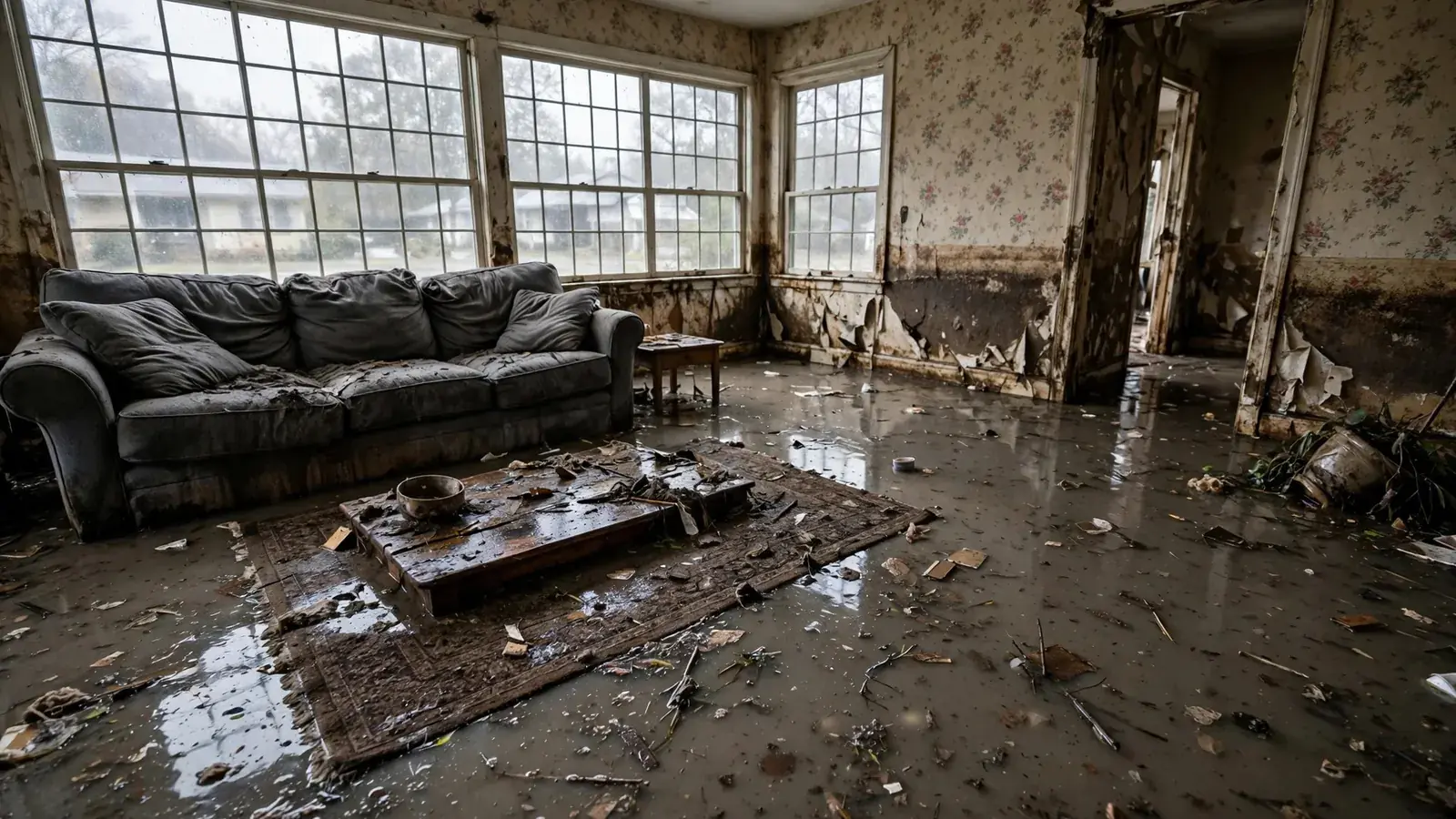
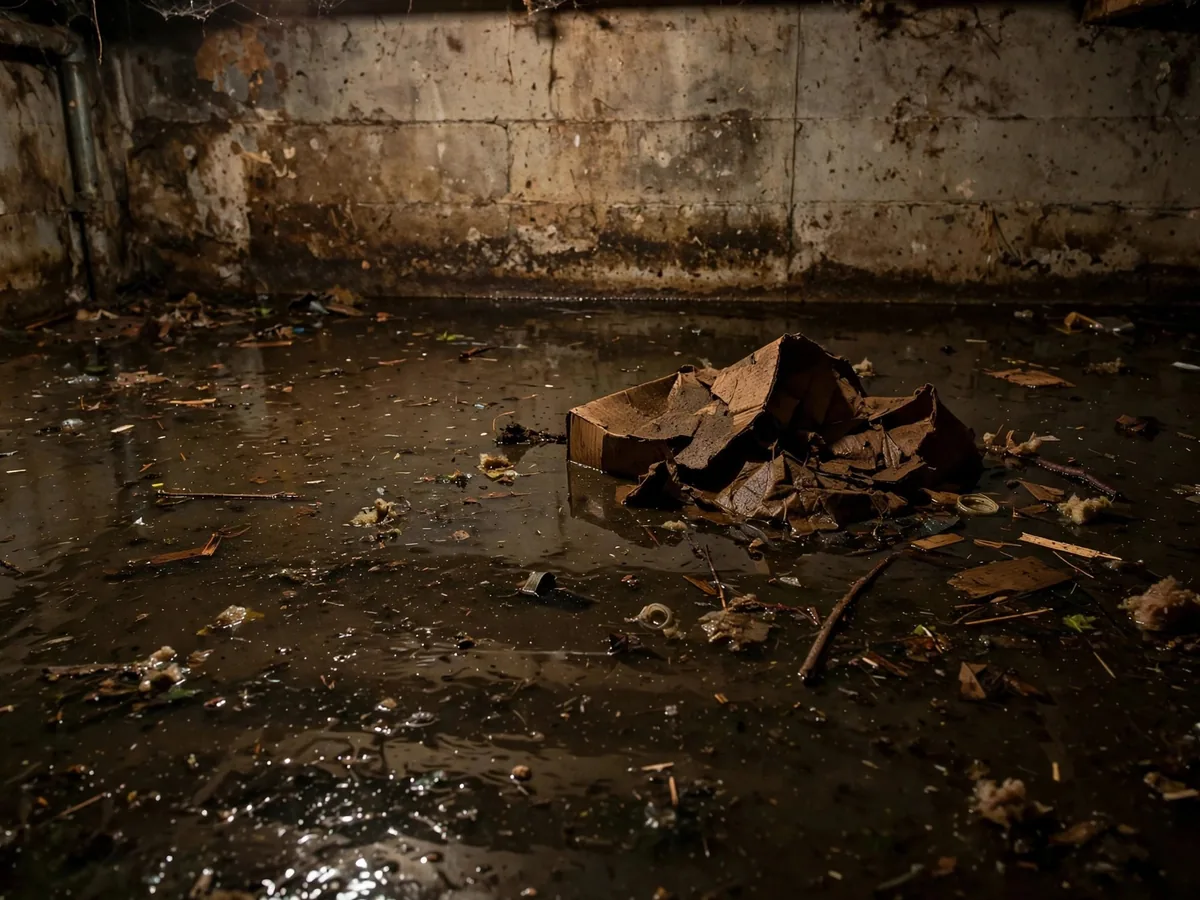
In Elyria, Category 3 losses most often come from floor drain backups during storms, sewer lateral blockages, overflowing toilets with waste and outside floodwater. Basements with finished rooms see the largest losses because so much porous material is affected. Protective gear, removal and disinfection are required. See basement floor drain backup.
Black Water vs Gray Water: Health Risks
Gray water can contain bacteria and chemicals that cause irritation or illness. Black water can carry bacteria, viruses and parasites that cause serious illness. Children, older adults and people with weak immune systems are most at risk. Avoid contact with both and wash thoroughly if contact happens.
IICRC S500 Water Categories: Why Restoration Pros Use Them
The IICRC S500 is the industry standard for water damage restoration. Categories give everyone, including homeowners, insurers and crews, the same language for how contaminated water is. That shared language makes cleanup decisions clearer and helps explain to insurers why some materials were removed and others were dried.
Category 1 Water Damage: Best Case Scenario
Category 1 is the easiest to restore if handled fast. Supply line leaks, water heater failures and rainwater through an open window usually start as clean water. Carpet, drywall and wood can often be dried in place with fast extraction and commercial drying. The key is speed, because clean water does not stay clean for long.
How Categories Affect Your Insurance Claim
The water category helps explain to insurers why certain materials were removed. A Category 3 sewage backup requires removing carpet and drywall that might have been dried in a Category 1 leak. Moisture logs and category notes in the restoration records support those decisions.
Examples of Category Changes Over Time
A supply line bursts on a Friday night and is not found until Monday. The water started clean, but after soaking through carpet, dust and wood for days in a warm room, it is treated as Category 2 or 3. The cleanup now includes more removal and antimicrobial treatment than if it had been caught Friday night.
Safety Gear by Category
- Category 1: gloves and boots for basic protection.
- Category 2: gloves, boots, eye protection and careful hygiene.
- Category 3: full protective suits, respirators, gloves and boots, plus containment.
Homeowners should not handle Category 3 cleanup without this protection.
What Category Is My Water?
If it came from a clean supply line and was found quickly, it is likely Category 1. If it came from an appliance discharge, a toilet without waste or a sump pit, it is likely Category 2. If it came from sewage, a floor drain during a storm or outside flooding, it is Category 3. When in doubt, treat it as contaminated and call for help.
Category 3 Water and Belongings
Items touched by Category 3 water are sorted carefully. Hard, non-porous items like metal and glass can be cleaned and disinfected. Porous items like mattresses, upholstered furniture, stuffed toys and cardboard are usually discarded. Photograph everything before it goes, for your insurance claim.
Why Categories Matter to You
Knowing the category helps you understand why the crew removes some materials and saves others. It also helps you stay safe, because Category 2 and 3 water should never be handled without protection.
FAQs
What is Category 3 water?
Black water that may contain sewage or other harmful contamination, including outside floodwater.
Can Category 1 water become Category 3?
Yes, if it sits long enough or passes through contaminated materials.