WATER DAMAGE GUIDE • ELYRIA, OHIO
How Fast Does Mold Grow After a Basement Flood?
Mold after a basement flood is the problem most Elyria homeowners worry about, and for good reason. Here is how fast mold grows after water damage, what speeds it up and how to stop it early.
Can Mold Start Growing Within 24 to 48 Hours?
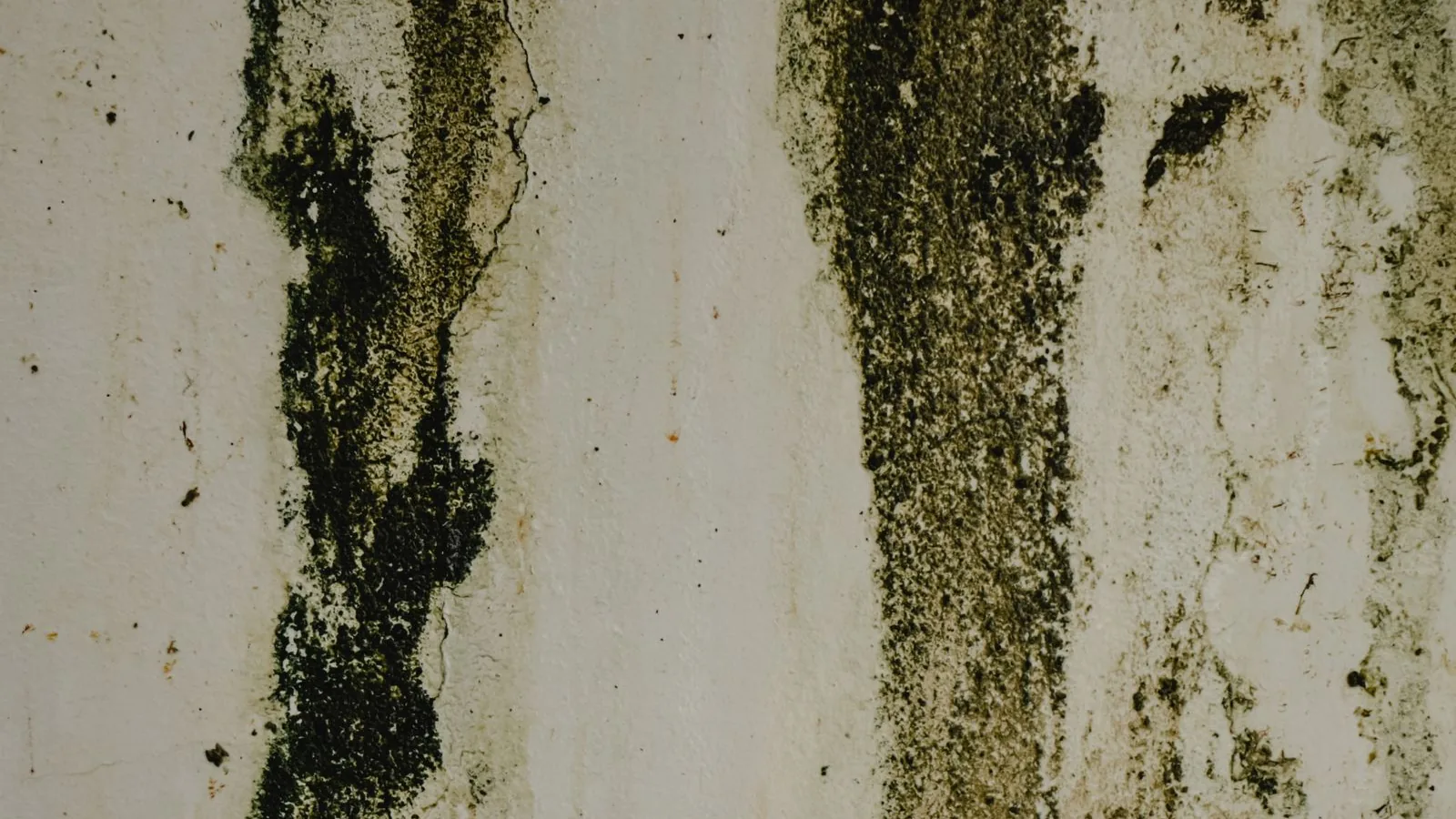
Yes. On wet drywall, wood and carpet backing, mold can begin growing within 24 to 48 hours. Visible growth often appears within one to two weeks.
This 24 to 48 hour rule comes up in EPA guidance and restoration standards. It is why drying fast matters more than almost anything else after a flood.
What Speeds Mold Up
- Warm temperatures, especially in summer
- High humidity, common in Elyria basements
- Organic materials: drywall paper, wood, cardboard, carpet backing
- Dirty or contaminated water, like storm water or sewage
- Closed spaces with little air movement, like inside walls
Materials at Highest Risk
- Drywall paper and paneling
- Carpet pad and carpet backing
- Cardboard boxes and paper
- Wood framing, subfloor and furniture
- Fiberglass and cellulose insulation
Concrete and metal do not feed mold but can hold dirt that does.
Signs of Mold After a Flood
- Musty smell days or weeks after the water is gone
- Spots on drywall, baseboards or furniture
- Allergy symptoms that ease when you leave
- Bubbling paint or warped baseboards
Stopping Mold Early
- Remove standing water within hours
- Remove pad and porous materials that cannot be dried
- Run commercial dehumidifiers and air movers
- Measure moisture until materials are truly dry
- Apply antimicrobial treatment to affected surfaces
See wet carpet drying and flooded basement cleanup. If mold has already started, see mold remediation or mold inspection.
Mold After Basement Flood: Elyria Basements Are High Risk
Elyria basements stay humid much of the year, and many hold carpet, drywall, cardboard storage and wood shelving. After a flood, these materials soak up water and stay wet longer in a cool, humid space. Summer humidity off Lake Erie keeps basement air damp, which slows drying without dehumidifiers. That is why basement mold can appear quickly after even small floods.
Signs of Mold After Flood Cleanup
Sometimes a flood is cleaned up but mold appears weeks later. Watch for:
- A musty smell that comes back after cleaning
- Spots on the bottom of drywall or baseboards
- Discoloration on carpet backing or tack strip
- Mold on stored boxes or furniture
This usually means the materials were not fully dried. A moisture check can confirm it. See mold inspection .
24 to 48 Hour Mold Rule: What It Really Means
The rule does not mean mold will always appear by hour 48. It means that is the window when growth can begin on wet organic materials, so drying should start before then. Clean water caught fast, extracted and dried with commercial equipment within that window usually leads to no mold. Waiting several days almost always leads to some growth.
How Humidity Affects Mold
Mold grows best when relative humidity stays above about 60 percent. After a flood, indoor humidity can reach 80 percent or more. Commercial dehumidifiers bring it down fast. After drying, keeping basements under 50 percent humidity with a household dehumidifier is one of the best long-term prevention steps.
What To Do if You See Mold Now
- Do not scrape or sand it
- Keep the area closed off
- Fix the moisture source
- Call for remediation if the area is larger than about 10 square feet
See mold remediation .
Mold Growth Timeline After Water Damage
- First 24 hours: moisture soaks into drywall, carpet backing and wood.
- 24 to 48 hours: mold spores begin to activate on wet organic materials.
- 3 to 7 days: growth can become visible on drywall, baseboards and stored items.
- 1 to 2 weeks: musty odors become noticeable and growth spreads.
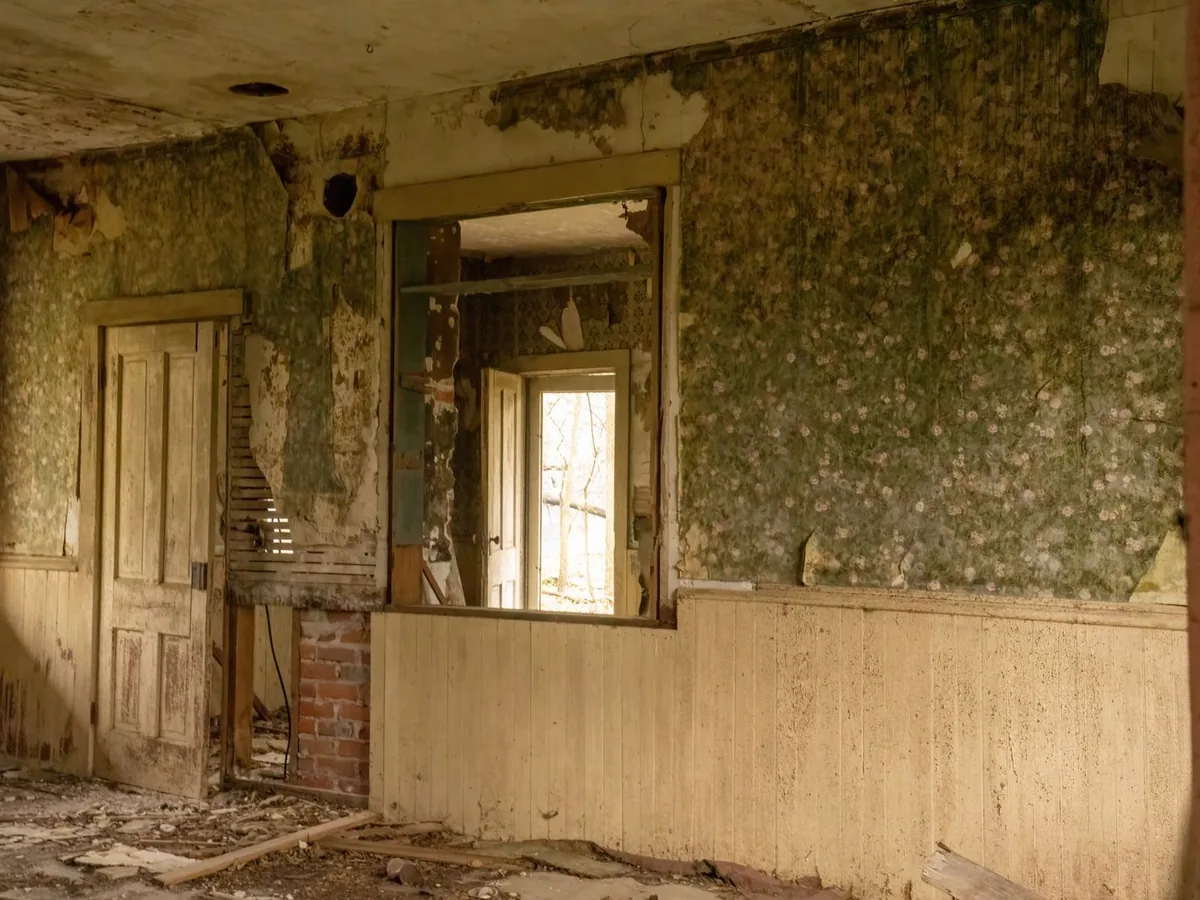
- Weeks to months: hidden growth behind walls and under floors can become extensive.
Each stage is harder and more costly to fix than the one before.
Why Basement Storage Gets Moldy
Cardboard boxes, paper, books, fabric and wooden furniture stored in basements soak up water and stay damp. Mold often shows up on stored items before it shows on walls. Use plastic bins on shelves off the floor to protect basement storage.
Mold and Health
Mold can cause allergy symptoms, irritation and breathing problems, especially for people with asthma or weak immune systems. If anyone in the home has symptoms that seem linked to mold, talk to a doctor and keep them away from affected areas until cleanup is done.
After a Flood: When To Get a Mold Check
If the flood was not professionally dried, if a musty smell appears weeks later, or if you plan to finish the basement, a mold inspection gives you peace of mind. Finding hidden mold before closing walls saves much larger repairs later.
What Mold Needs To Grow
Mold needs moisture, food, a suitable temperature and time. Food is easy to find in homes: drywall paper, wood, dust, carpet backing and cardboard. Temperatures in most homes are fine for mold year-round. That leaves moisture and time as the two things you control. Removing water fast and drying fully cuts off what mold needs most.
Can You Stop Mold After It Starts?
Yes, if caught early. Small areas on hard surfaces can be cleaned. Growth on drywall, insulation or carpet usually means removing those materials. Fixing the moisture source is always part of the solution, or mold returns.
FAQs
Can mold grow in 24 hours?
It can begin in that time on wet materials, though visible spots take longer.
Will a household dehumidifier stop mold?
It helps with humidity, but it rarely dries walls and floors fast enough after a flood.