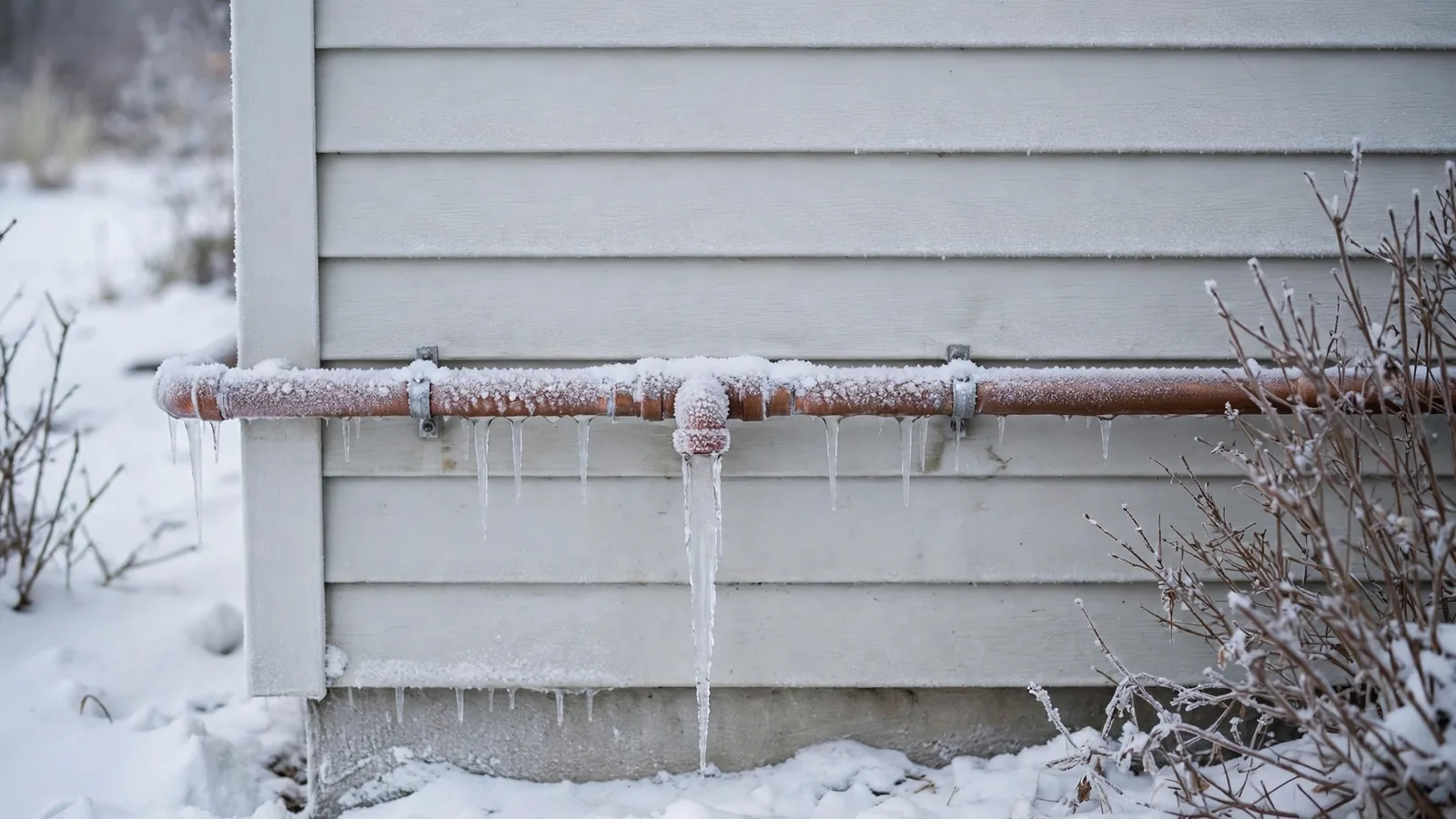
WATER DAMAGE GUIDE • ELYRIA, OHIO
How to Prevent Frozen Pipes in Elyria This Winter
Every Elyria winter brings cold snaps that split pipes in exterior walls, garages and crawl spaces. Here is how to prevent frozen pipes, which pipes are most at risk and what to do if one freezes.
At What Temperature Do Pipes Freeze in Elyria Homes?
Pipes in unheated or poorly insulated spots can freeze when outdoor temperatures drop to about 20°F or below, especially for several hours or with wind.
Wind off Lake Erie makes exterior walls colder than the thermometer suggests. Pipes inside heated rooms rarely freeze; pipes in outside walls, crawl spaces, garages and near drafty rim joists are the usual problem.
Pipes Most at Risk
- Kitchen and bathroom supply lines on exterior walls
- Pipes in unheated garages, crawl spaces and attics
- Outdoor faucets and hose bibs
- Lines near basement windows and sill plates
- Pipes in additions and sunrooms
- Mobile home lines in the underbelly
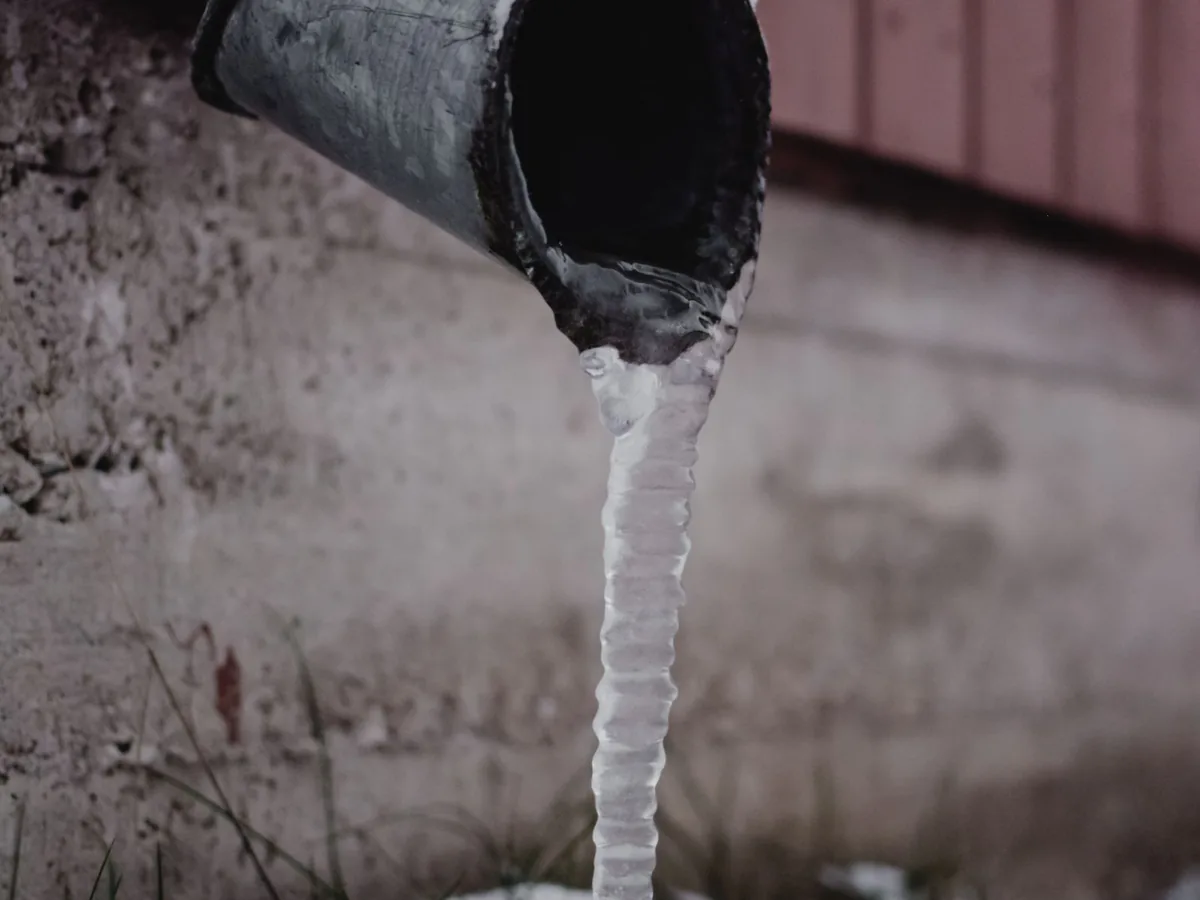
Prevention Checklist
- Keep the thermostat at 55°F or higher, day and night
- Open cabinet doors under sinks on outside walls in cold snaps
- Let a faucet drip on the coldest nights
- Disconnect hoses and shut off and drain outdoor faucets each fall
- Insulate pipes in unheated spaces with foam sleeves
- Seal drafts around rim joists, windows and where pipes enter
- Use heat tape rated for pipes in crawl spaces and mobile homes
- Know where your main shut-off valve is
How To Thaw Frozen Pipes Safely
- Open the faucet so melting water can flow
- Warm the pipe with a hair dryer, heating pad or warm towels
- Start near the faucet and work back toward the frozen spot
- Never use an open flame or torch
- If you cannot find or reach the frozen section, call a plumber
If a Pipe Bursts
Shut off the main water valve, turn off power to wet areas and call for help. See burst pipe water damage. For empty homes, see vacant home water damage.
Frozen Pipes Elyria Ohio: Why Some Homes Freeze Every Year
Some Elyria homes have frozen pipes almost every winter. Common reasons include kitchens on north-facing exterior walls, plumbing running through an unheated garage, older homes with little wall insulation, and drafty rim joists in the basement. If your home has frozen before, it will likely freeze again in the same spot unless the cause is fixed. A plumber can reroute or insulate those lines.
Before You Travel in Winter
- Set the thermostat to at least 55°F
- Open cabinet doors under sinks on outside walls
- Shut off the main water valve and drain the lines if leaving for more than a few days
- Ask someone local to check the house daily
- Use a smart thermostat or a temperature alarm that texts you
- Make sure the furnace has been serviced and has fuel
A burst pipe in an empty house can run for days. See vacant home water damage .
What Temperature Do Pipes Freeze: Wind and Duration Matter
The 20°F mark is a guide, not a rule. Wind chill makes exterior walls colder. Several hours below freezing matters more than one short dip. Pipes near cracks, vents or gaps freeze sooner. That is why pipes can freeze on a night that is not the coldest of the year if the wind is strong.
Garage and Outdoor Faucet Tips
- Keep the garage door closed in cold weather if pipes run through it
- Install freeze-proof hose bibs, which shut off water inside the warm wall
- Disconnect hoses so water drains from outdoor faucets
- Insulate any pipe in the garage with foam sleeves
Signs a Pipe Already Froze
- A faucet gives only a trickle or nothing at all
- Frost on exposed pipes
- Bulging pipe sections
- Odd smells from drains
Keep the faucet open, gently warm the area and call a plumber if needed. Once water flows, check for leaks along the line.
How To Thaw Frozen Pipes: When To Stop and Call
If you cannot find the frozen section, if it is inside a wall or ceiling, or if you see a split in the pipe, stop and call a plumber. Thawing a split pipe releases water as soon as the ice melts. Keep the main valve location in mind so you can shut it off quickly if water appears.
Frozen Pipes in Rentals
Tenants should keep heat on and report cold spots or slow faucets. Landlords should insulate exposed pipes, seal drafts and keep vacant units heated. Clear winter instructions for tenants reduce burst pipe calls. See rental property water damage.
Smart Devices That Help
- Smart thermostats that alert you when temperature drops
- Water leak sensors under sinks and near the water heater
- Automatic water shut-off valves that close when a leak is detected
- Wi-Fi temperature sensors for basements and crawl spaces
These tools are especially useful for second homes, rentals and homes of family members who live alone.
What To Do After a Pipe Bursts
Shut the main valve, turn off power to wet areas, move belongings and call for extraction and drying. Water inside walls and ceilings needs professional drying to prevent mold.
Pipe Insulation: Which Type To Use
Foam pipe sleeves are easy to install on exposed pipes in basements and garages. For pipes in very cold spots, heat tape rated for plumbing, covered with insulation, keeps them above freezing. Always follow the maker's instructions and never wrap heat tape over itself. For pipes inside exterior walls, adding insulation to the wall or rerouting the pipe may be needed.
FAQs
Should I drip faucets?
Yes, on the coldest nights for faucets on exterior walls. Moving water is harder to freeze and dripping relieves pressure.
Can I turn the heat off when I travel?
No. Keep it at 55°F or higher, or shut off and drain the water if leaving for a long time.